PIN-UP

Pin-up art.
Up close.

A pin-up is an image printed so it can be cut out and kept. This journal looks at the artists, photographs and printed pages that made the form, from a Christmas cover in 1898 to a studio reference in 1950.

Explore the collection
Enoch BollesWoman in Pink, 1929
Photography / 1943
In print / 1927

The collection.

Illustration, photography
and magazine art.

11 works

Pictures worth
keeping.

Before it was a style, a pin-up was a picture worth keeping.

A magazine page. A studio portrait. An illustration lifted from a calendar and pinned to a wall. Pin-up turned the everyday image into a small, personal collection.

Look past the familiar poses and there is a rich language of colour, composition, humour and performance. These pictures tell us as much about the culture around them as the people in them.

Follow the story
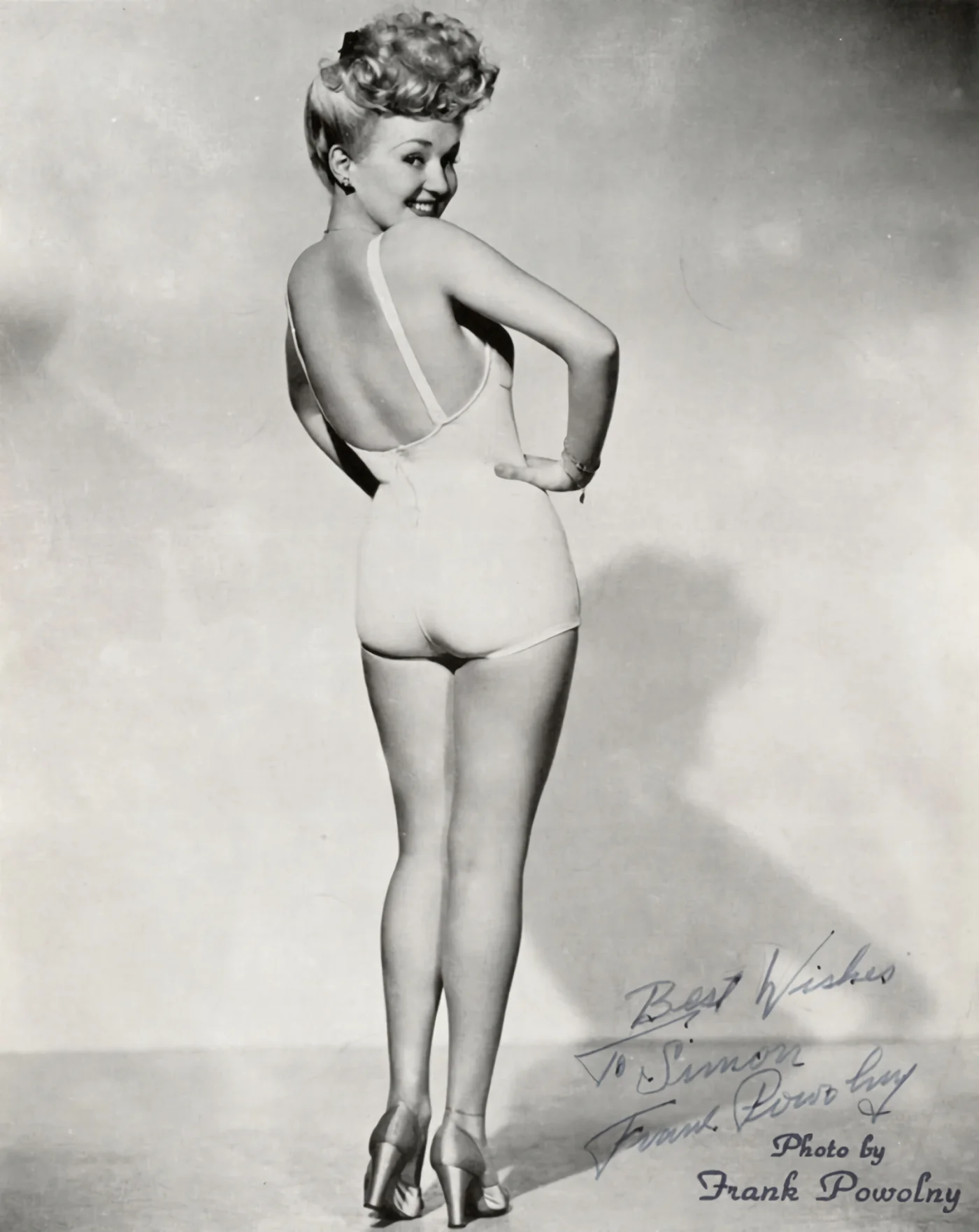
Detail of Frank Powolny’s 1943 publicity portrait of Betty Grable
Betty Grable photographed by Frank Powolny, 1943.

The makers.

Who drew, painted
and photographed them

These were working commissions, not fine art.

Coles Phillips (1880–1927) built a career on the fadeaway: a figure whose dress dissolves into the white of the page, so the reader finishes the drawing. A generation earlier Harrison Fisher (1875–1934) drew the American cover girl so often that he was nicknamed the Father of a Thousand Girls.

The makers in this collection come after them. Enoch Bolles drew newsstand covers through the 1920s, Gil Elvgren painted calendar art from the 1940s, and Frank Powolny photographed publicity portraits at 20th Century Fox.

See their work
Studio portrait of the illustrator Coles Phillips in a dark suit, looking back over his shoulder
Coles PhillipsBain News Service, Library of Congress
Harrison Fisher seated in a chair beside an easel holding a painting of a couple
Harrison FisherPhotograph by William van der Weyde

Out of
the magazine.

A pin-up rarely stayed on the page it was printed on.

Covers were painted for one week on one newsstand. If the image was good it travelled from there: cut out, pinned above a bunk, reproduced as a card, or copied by hand onto the nose of a fighter. The figure on this P-47D-28 is a painted copy of a Gil Elvgren illustration, according to the source record — the print going out and the painting coming back again.

What holds the collection together is not one decade but the same negotiation, decade after decade, between the artist, the publisher and whoever ended up pinning the picture to a wall.

191619271947

Sepia press photograph of a fighter nose with a hand-painted pin-up figure inside an oval and the words Rough and Ready
Nose art, Rough and Ready, on a P-47D-28. See the source record

Field notes.

Colour, composition
and personal style.

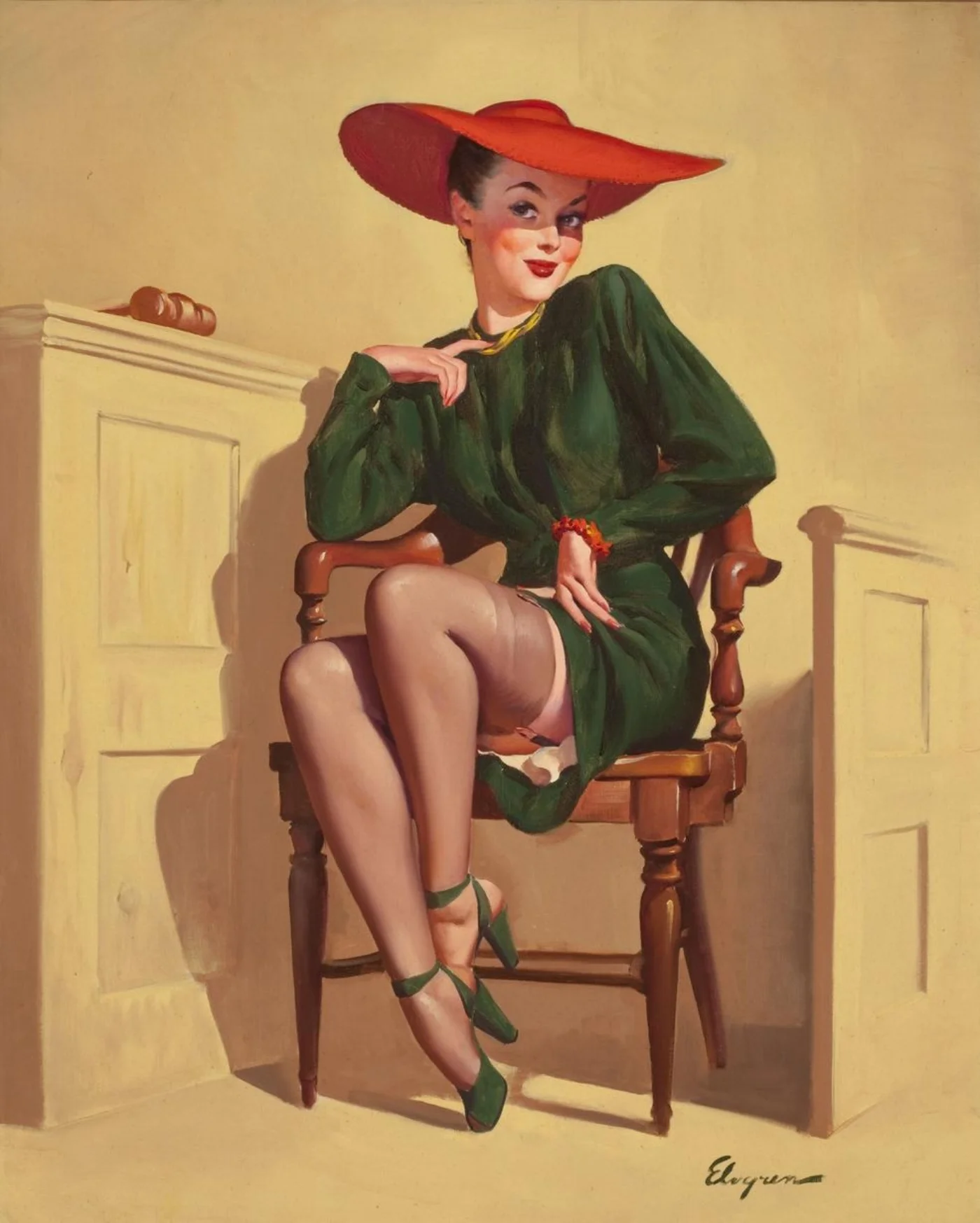
The Verdict Was, Wow!Gil Elvgren / 1947

Colour & composition.

ReadClose
The red hat and green dress in Gil Elvgren’s 1947 painting

In The Verdict Was, Wow!, a red hat is the first thing to catch the eye. The deep green dress gives it something to push against; the warm, quiet background lets both colours hold their place.

Try following the shape of the hat, then the angle of the arms and the curve of the chair. The pose feels casual, but the composition is doing careful work. That tension between ease and precision is part of the pleasure.

See the source record

The magazine cover.

ReadClose
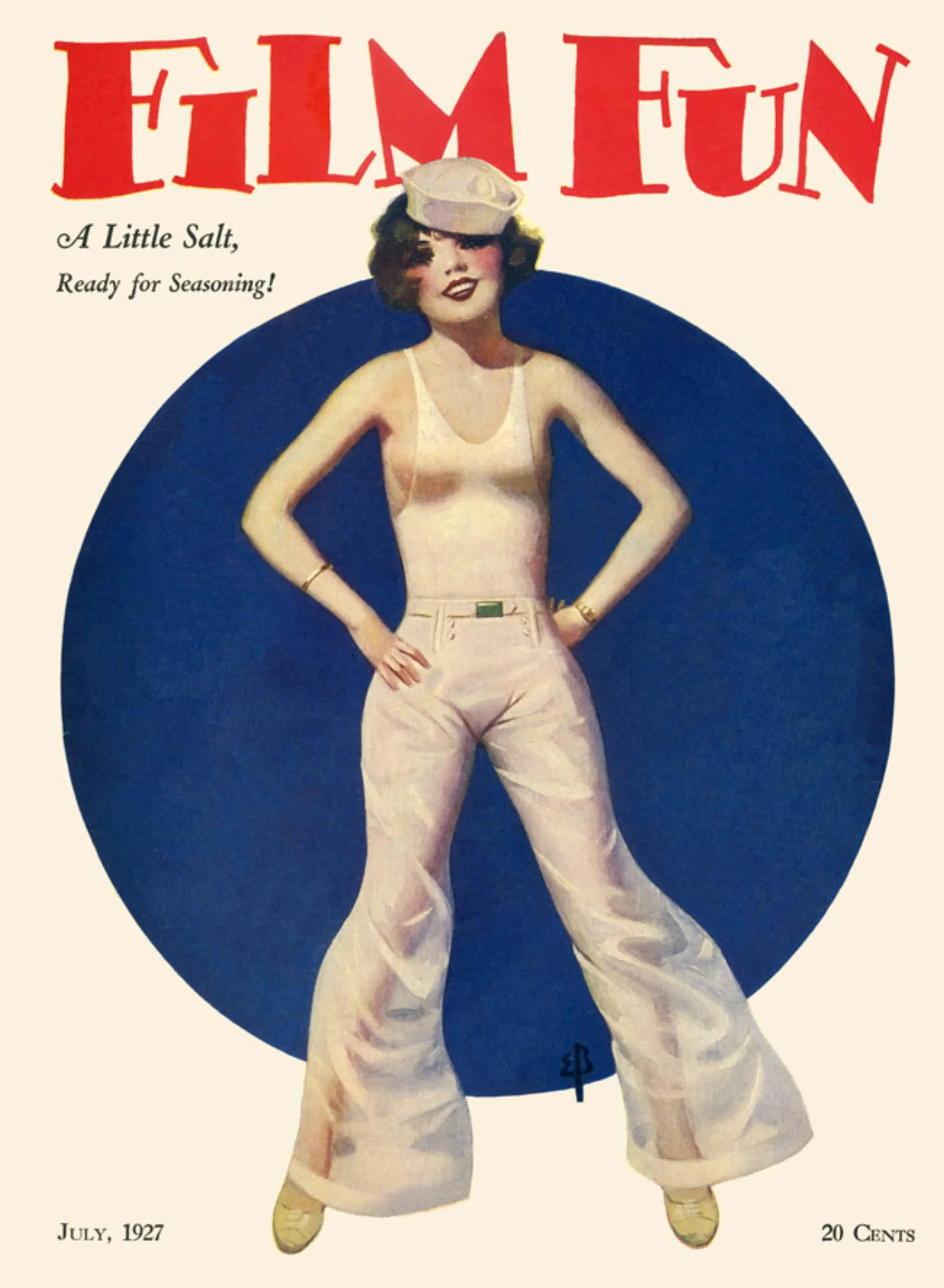
Enoch Bolles’s July 1927 Film Fun cover

Enoch Bolles’s July 1927 Film Fun cover makes its argument in three colours: red lettering, a blue circle and the white of a sailor outfit. It is a compact lesson in how an image earns attention on a busy newsstand.

The figure steps beyond the circle, tying the illustration to the page around it. The title and the image work together; neither is just decoration. Nearly a century later, the graphic idea still reads at a glance.

See the source record

Pin-up & personal style.

ReadClose

You do not need a head-to-toe period outfit to take something from pin-up style. A defined silhouette, a deliberate colour pairing or one playful accessory can carry the idea. The detail works best when it feels chosen.

Look at the pictures as compositions first: how a sleeve frames a face, how a hat extends a pose, how one vivid colour gives an outfit a point of focus. That is inspiration you can make your own.

The reference photo.

ReadClose
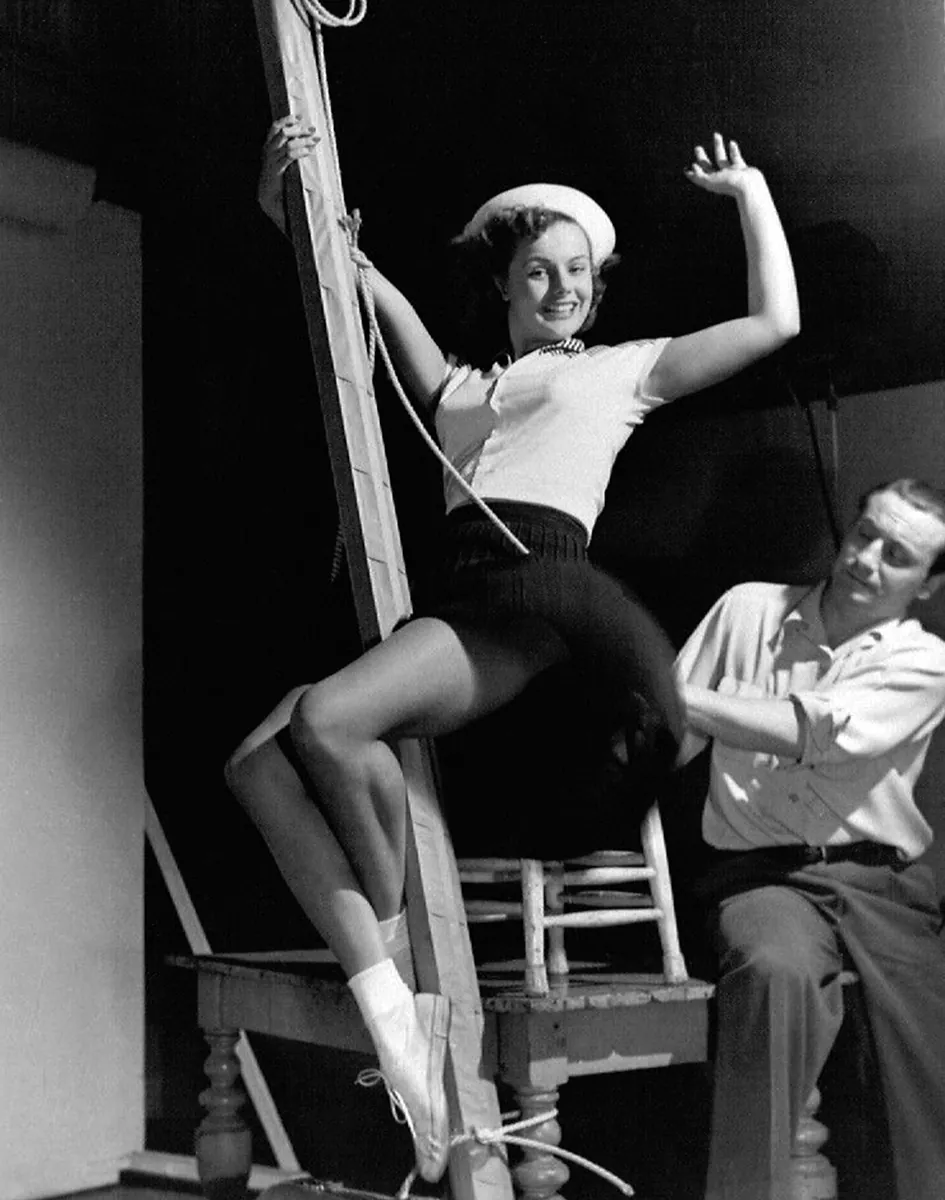
Studio photograph from 1950: a smiling woman in a sailor top climbs a ship's mast while a seated man steadies it

The Commons record dates this studio photograph to 1950 and describes it as the reference photo for Anchors A-Wow. It is not the finished picture. It is the set-up: a studio mast, a ladder for footing, a colleague seated behind it to keep the prop upright while the model holds the pose.

Put it next to a painted calendar girl and the illustrator’s work becomes visible. The smile is aimed at the camera, the legs are braced against a support that will be erased, and the composition has to survive without any of the scaffolding. What carries into paint is the angle of the body and the joke of the title.

See the source record

Read it
straight.

The four questions
this page answers

What is a pin-up?
A pin-up is an image printed so it can be cut out and attached to a wall. The word describes what the picture is for, not how it is drawn. Read the full definition
How is it different from a portrait?
A pin-up is reproduced in quantity, it is designed to work outside the page that carried it, and the subject answers a viewer who is not in the picture. A portrait records one person for one patron.
Why are these images free to use?
Every work here is public domain in the United States, either published before 1931 or with copyright never renewed. Each work page links to the record that says so, and copyright outside the US can differ.
What are the oldest and newest works?
Harrison Fisher’s Christmas cover for Puck, dated 14 December 1898, and the 1950 studio photograph made for Gil Elvgren’s Anchors A-Wow. The history page walks the twelve years between in ten steps.

About
the journal.

PIN-UP.TO looks at pin-up as art and visual culture: who made the images, how they were published and what they tell us about their time.

The collection brings original artworks and photographs together with short notes on composition, publishing and style. Image sources and credits accompany every work.

Back to the pictures